What Is SaaS Security Posture Management (SSPM) and Why Does It Matter?

As businesses increasingly rely on Software-as-a-Service (SaaS) applications, managing the security of these tools becomes more critical than ever. This is where SaaS Security Posture Management (SSPM) comes in—a growing discipline within cybersecurity that helps organisations monitor and strengthen their security posture across cloud-based apps. But what exactly is SSPM, and why should businesses care?

Defining SaaS Security Posture Management

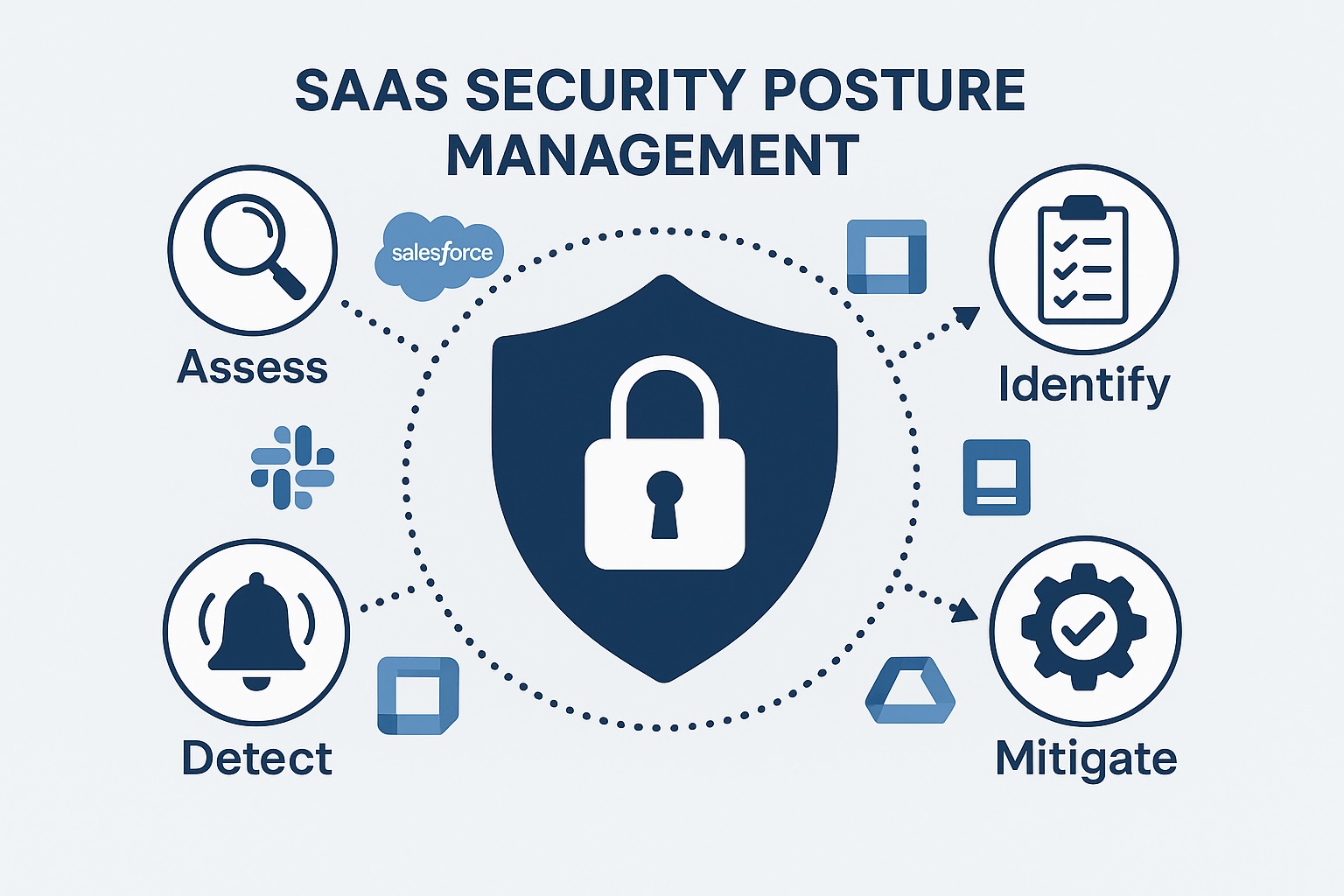
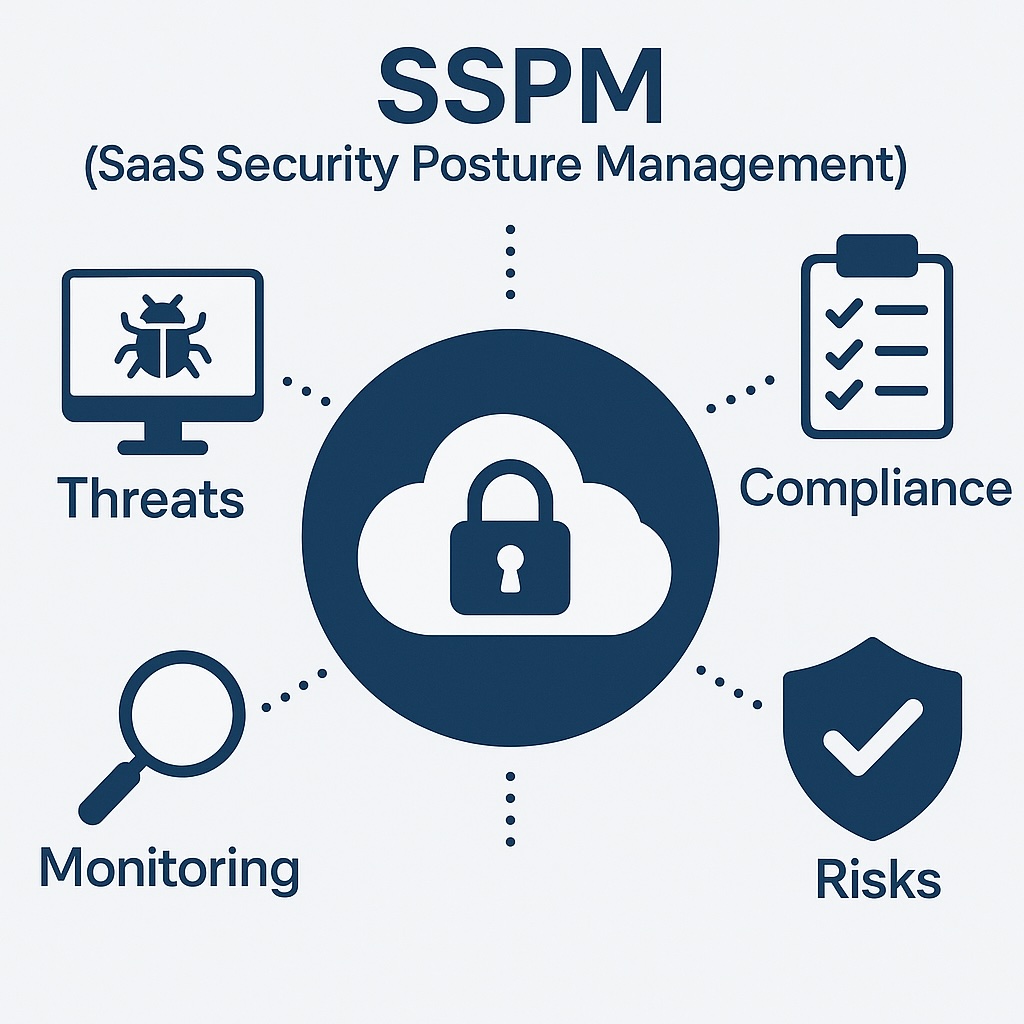
SSPM refers to the continuous assessment and improvement of an organisation’s security settings and configurations across its SaaS environment. It helps identify misconfigurations, detect risky user behaviour, ensure compliance with regulations, and provide visibility into connected applications.

Unlike traditional cybersecurity tools that focus on infrastructure or endpoint protection, SSPM is built specifically to manage the complexities of SaaS platforms like Microsoft 365, Google Workspace, Salesforce, Slack, and dozens more.

The Security Gaps in SaaS

While SaaS apps simplify collaboration and scalability, they also create new security risks. Each app may come with hundreds of settings, and users—including third-party vendors—often get more access than they need. Without proper oversight, organisations can unknowingly expose sensitive data, violate compliance requirements, or become easy targets for cybercriminals.

Example: A marketing team uses a third-party automation tool connected to their Salesforce account. No one notices that the tool has full admin rights. If compromised, that single integration could leak customer data or alter records—without a traditional firewall ever noticing.


How SSPM Helps Secure Your SaaS Stack

SSPM tools provide automated, continuous monitoring across all connected SaaS platforms. Key capabilities include:

  • Configuration Management: Detect and alert on insecure settings, like publicly shared documents or open admin access.

  • Access Oversight: Review who has access to what—and why. Limit overprivileged users and enforce least privilege principles.

  • Shadow IT Discovery: Identify unauthorised or unapproved SaaS apps being used in the organisation.

  • Compliance Monitoring: Map your security controls to industry standards like ISO 27001, GDPR, HIPAA, or SOC 2.

These tools not only spot vulnerabilities but also provide remediation guidance, saving security teams hours of manual work.

Real-World Impact: A Use Case

A mid-sized company using Microsoft 365, Zoom, and Salesforce discovered through SSPM that 20% of users had unnecessary admin privileges. Several sensitive documents were shared with external domains without encryption. After using an SSPM solution, they reduced excessive privileges, secured external sharing, and passed their annual compliance audit with fewer issues.

Current Trends in SSPM

SSPM is evolving fast, with a few clear trends shaping its future:

  • AI-powered risk detection: New solutions use machine learning to identify unusual behaviour patterns or predict misconfiguration risks.

  • Platform convergence: SSPM is increasingly integrated into broader Cloud Security Posture Management (CSPM) and Identity Governance platforms.

  • Focus on automation: Instead of just alerting, SSPM tools now offer auto-remediation of common misconfigurations.

Checkpoint

Crowdstrike

Netskope